Showing posts with label ADD. Show all posts

Thursday, February 2, 2012

Overcoming ADHD: A guide for parents

Here is how to end the ADHD nightmare! ADHD is frustrating and stressful and can wreak havoc on families, parents and educators…

Here’s how a child with ADHD got his life back from out of control to being happier and successful at school…


Here’s why this book is regarded as the Internet’s

Number 1 guide for parents to
Help their loved ones with ADHD/ADD…

You will discover
  • Answers to all your burning questions…Where to start? What to do?  How to deal with it?  Who to listen to? What not to do?  -  all your questions AND MORE are covered in this all-in-one guide
  • How to retain sanity while helping your child?
  • Everything you will need to know to get started to help your loved ones
  • How ADHD can be dealt with easily, naturally and effectively – if you know what to do?
  • Simple proven drug-free solution that works!
  • ZERO RISK FOR YOU – 100% No Questions Asked MONEY BACK GUARANTEE!


Educator, Author
Kinesiology Practitioner
AKA A.T.M.S.
Dear Parent,
It can be a nightmare when your child is struggling with ADHD.
Let’s face it,... It can be heart wrenching when you watch your child trying hard to concentrate, get frustrated and then lead into another hyperactive tantrum…receiving notes and phone calls from exhausted and upset teachers…

You lie awake at night feeling shame and guilt that it could be your fault….or wondering and worrying with good reason about the horrible, lasting effects of ADHD medication…feeling helpless…not knowing where to get help…
I have been involved as a Kinesiology practitioner for over 20 years, I have seen an increase of families, parents and individuals having to deal with the terrible effects of ADD and ADHD…and I have watched in horror as millions of children have been prescribed dangerous, expensive and ineffective drugs with no long term benefit.
In my experience most ADHD families have a desperate desire to escape from the ADHD/ADD nightmare, live a calm harmonious life, escape the cycle of drugs and regain a sense of control.
Can you relate to this?
  • Your child has just recently been diagnosed with ADD or ADHD and you are searching the internet looking for sound proven advice and how to overcome this problem and give your child the best advantage in life.
  • Your child is taking the ADHD drugs and you are worried sick about the side affects.
  • You are a teenager or adult sufferer of ADD or ADHD searching for a way to improve focus and concentration and are ready to say goodbye to prescription drugs.
If you can relate to any of these categories this book will be one of the most important messages you have ever read.
I am going to show you the path towards regaining control and saying… Goodbye to the frustration, turmoil, shame, guilt and hyperactivity for good.
You will discover a safe, natural and effective way to overcome your child’s ADD and ADHD without drugs.
Allow me to explain…
Despite what you may have heard ADHD is not a disease.  The fact is Attention Deficit Hyperactivity Disorder – commonly referred to as ADHD – is a developmental disorder that can affect many adults throughout life.
ADHD is often treated and medicated as a disease.  Doctors are so busy and prescription drugs may seem a simple way to solve the problem of ADHD.  There is so much research on the dangerous side affects of these prescription drugs.
Here is some research to look at…
“Ritalin is one of the drugs used for treating
Hyperactivity and Attention Deficit Disorders …
Ritalin acts on the brain just like “speed” – neuropharmacologically it has the same effects, side effects and risks as cocaine and amphetamines.  The FDA classifies Ritalin in the high addiction category, Schedule 11, amphetamines, cocaine, morphine, opium and barbiturates.”
Treatments of Psychiatric Disorders, A Task Force Report of the American Psychiatric Association.  Washington, DC APA, 1989. p.1221

“When the research so strongly shows that integrated movement, supportive touch, music and play grow brain areas necessary for increased focus and learning for a lifetime, without detrimental physical effects, why do we use potentially harmful drugs as a first resort?”  Carla Hannaford Ph.D. Smart Moves
The symptoms and the causes of ADHD vary differently from child to child.  Does your child relate to some of these?
  • Some children have inability to pay attention and unable to sit still
  • Some children ADHD is caused by inherited genetic factors
  • Some children experience ADHD symptoms due to allergies, diet, hormonal imbalances
With my experience working with thousands of parents, teachers, children and individuals, I have found answers to help overcome ADD and ADHD.  I want to share them with you. 
There are people just like you out there looking for answers.  You can benefit from my experience and other health professionals to make life easier by having all the information you will ever need all in one place – one easy to read book!
After many hours in front of the computer…I’ve done it!  I have put together a valuable resource for you to help your child overcome ADD and ADHD.
Anyway, I won’t keep you hanging any longer…
Introducing this valuable book that could make all the difference for you and your loved ones…

“Here is a quick preview of the info you’ll have at your fingertips…”
  • What is ADHD and the possible causes?
  • Understand ADHD and get the whole family involved to bring a harmonious and calm environment
  • Why drugs, the side affects and the alternatives
  • Is there a link between nutrition and ADHD?
  • How to transform your child’s life with smart nutrition
  • The brain of a ADHD child differs from that of a “normal” child…how to use simple remedies to increase neurotransmitters in your child’s brain
  • What are the building blocks of the brain?
  • How to deal with your feelings as a parent and the survival guide
  • How to change bad behaviour to good behaviour in a fun way
  • How to cut outbursts and hyperactivity in half
  • Learn essential tips to improve behaviour at home
  • Proven techniques for teachers, support workers and parents to improve behaviour in the classroom
  • Simple steps to boost your child’s self esteem, improve their academic performance and give them the tools needed to succeed in school and in life
  • How to use exercise to burn extra energy and encourage neurotransmitter growth to increase focus and learning
  • How to find support
  • And much more…

Are you tired of trying to figure out how to deal with
your loved one having ADHD?

Do any of the following statements apply to your child?
  • They can’t concentrate even while playing?
  • Teachers are always contacting you about your child to report “bad behaviour”.
  • Your child often loses items that she needs like school supplies.
  • Your child fails to follows instructions or finish tasks.
  • They interrupt in during conversations with topics that are completely off the topic being discussed.
  • Does your child get easily distracted.
  • Their room is a hopeless mess with papers, toys, and clothing everywhere?  This is normal for a teenager, but not so normal with an 8 year old!

These are all classic symptoms of ADHD. What about adult ADHD?  What are the symptoms of that?
  • Unfinished tasks
  • Broken promises
  • Moving from job to job, often quickly
  • A tendency toward alcohol and/or drug abuse
  • Procrastination
  • Disorganization
  • A perceived sense of irresponsibility
  • Entering into and leaving many different relationships    

When you become familiar with what ADHD is and how it presents itself, it is often easier to identify those who have the disorder.  So many people have misconceptions of ADHD, and it’s time to put those misconceptions in the vault and lock them away forever!

Monday, January 30, 2012

Diet Might Have Some Effect on ADHD


Review found omega-3 fatty acids may help kids with disorder, while Western diet could hurt
By Jenifer Goodwin
HealthDay Reporter
MONDAY, Jan. 9 (HealthDay News) -- There's limited evidence that any particular diet or supplement helps kids with attention-deficit/hyperactivity disorder (ADHD), but at least some research suggests that omega-3 fatty acids may help while fatty "Western-style" diets do these children no favors.
Researchers from Children's Memorial Hospital in Chicago reviewed previous studies on diets and supplements that have been tried in children with ADHD. Among the diets tested: restricting sugar, which some parents believe worsens hyperactivity; avoiding food containing additives and preservatives, known as the "Feingold diet"; an "elimination diet" that avoids foods most often implicated in food allergies; and supplementing with omega-3 fatty acids, such as fish oil capsules.
Little research supports the idea that sugar or artificial sweeteners affect children's behavior, according to the review. Nor is there much evidence from controlled trials to support the Feingold diet, which first became popular in the 1970s and advocates avoiding food that contains red and orange dyes and preservatives (including apples, grapes and lunch meats).
Yet, some studies have suggested some kids with ADHD benefit from an elimination, also known as a hypoallergenic, diet. But that typically means forgoing cow's milk, cheese, wheat cereal, eggs, chocolate, nuts and citrus foods, which can be tough on the child and on the family, said study author Dr. J. Gordon Millichap, a professor emeritus at Northwestern University Medical School and neurologist at Children's Memorial Hospital in Chicago.
Moreover, the results of studies on hypoallergenic diets have been mixed. "We find the hypoallergenic diet might be effective, but difficult for families to manage them," Millichap said.
One study by Australian researchers suggested that kids who ate a typical "Western-style" diet that's high in fat, salt and refined sugars had a higher risk of ADHD than kids who had a healthier diet that was rich in fish, vegetables, fruit and whole grains and that contained lots of fiber, folate and omega-3 fatty acids.
Dr. Roberto Lopez-Alberola, an associate professor and chief of pediatric neurology at University of Miami School of Medicine, said he strongly advocates children with ADHD following such a healthier diet and avoiding dyes, preservatives and other additives.
Though the precise biological mechanism hasn't yet been uncovered, Lopez-Alberola believes the increase in obesity rates and in ADHD are not unrelated, and unhealthy modern diets may be contributing to the problem.
"I am a firm believer that we ultimately are what we eat, and unfortunately as a result of our poor Western diet, we see this in the increase in the rate of obesity, particularly in the young population," Lopez-Alberola said. "The fast foods. The processed food. The preservative-rich foods . . . In the same way we see an impact physically, it's going to have an impact from the neurodevelopmental standpoint. It's not surprising we see a parallel in the increase in obesity and in ADHD."
Another study, conducted by researchers in England in children who were excessively clumsy -- some of whom also had ADHD -- found that omega-3 supplements didn't help with motor skills, but did seem to help with attention.
Other research has found that many kids with ADHD had unusually low levels of iron in the blood. One Israeli study found that the parents of kids given iron supplements reported less ADHD symptoms in their kids, but teachers saw no such effect.
Therein lies much of the problem with research that looks at dietary interventions for ADHD, said Dr. Andrew Adesman, chief of developmental and behavioral pediatrics at Steven & Alexandra Cohen Children's Medical Center of New York.
The placebo effect can be powerful. Much of the research on dietary interventions compares dietary interventions to no treatment, while there's little research that compares a diet to stimulant medications such as Ritalin (methylphenidate) or Adderall (dextroamphetamine and amphetamine), which have decades of research showing that they're effective in kids with ADHD, Adesman said.
"For better or worse, medications are the single most effective treatment available for ADHD," Adesman said. "We don't have data to suggest dietary interventions are any more effective than medications, and there is little, if any, data to suggest dietary interventions are as effective as medications."
The review is published in the February issue of Pediatrics.
ADHD affects an estimated 5 percent to 8 percent of school-aged children. Symptoms, which often persist into adulthood, include inattention, hyperactivity and impulsivity beyond what's normally seen, given a child's age and development.
Understandably, many parents are reluctant to medicate their young children, and so there's lots of interest in alternative treatments, experts said.
"We do find parents are becoming more interested in the possibility of using diets rather than, or as a complement to, medication," Millichap said.
While the first line of treatment for ADHD is medication and behavioral therapy, which uses positive reinforcement to help kids learn to control impulsivity, parents who want to try dietary interventions should be supported in their efforts, Millichap said.
"Diets can be used in the treatment of ADHD, but it's usually not a first choice with most parents," he said. "But some parents prefer it and don't like medications at all. That's one of the reasons for considering the diets. Another is if there are side effects or adverse effects from the medications. Then one might turn to dietary treatments."
Added Adesman: "Families are welcome to explore and pursue alternative approaches, but they need to recognize that oftentimes there is limited research to support or justify their use and the benefits will likely be less substantial than conventional treatment."

Friday, January 27, 2012

New Review of Neurofeedback Treatment for ADHD — Current State of the Science

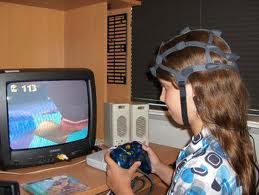
Neu­ro­feed­back — also known as EEG Biofeed­back — is an approach for treat­ing ADHD in which indi­vid­u­als are pro­vided real-time feed­back on their brain­wave activ­ity and taught to alter their typ­i­cal EEG pat­tern to one that is con­sis­tent with a focused and atten­tive state. Accord­ing to neu­ro­feed­back pro­po­nents, this often results in improved atten­tion and reduced hyperactive/impulsive behavior.
Sev­eral years ago I sum­ma­rized the sci­en­tific sup­port for neu­ro­feed­back treat­ment — see here - and noted that although pos­i­tive find­ings had been reported in mul­ti­ple pub­lished stud­ies, lim­i­ta­tions of these stud­ies led many researchers to regard neu­ro­feed­back as a promis­ing, but unproven treatment.
The Amer­i­can Psy­cho­log­i­cal Asso­ci­a­tion has estab­lished a 5-level sys­tem for grad­ing the evi­dence in sup­port of men­tal health treat­ments. These grades, and their asso­ci­ated lev­els of research sup­port, are as follows:
Level 1 Not Empir­i­cally Supported 
Sup­ported only through anec­do­tal evi­dence or non-peer reviewed case-studies.
Level 2 Pos­si­bly Efficacious 
Shown to have a sig­nif­i­cant impact in at least one study, but the study lacked a ran­dom­ized assign­ment between controls.
Level 3 Prob­a­bly Efficacious 
Shown to pro­duce pos­i­tive effects in more than one clin­i­cal, obser­va­tional wait list or within-subject or between-subject study.
Level 4 Efficacious 
Shown to be more effec­tive than a no-treatment or placebo con­trol group; the study must con­tain valid and clearly spec­i­fied out­come mea­sures, and it must be replic­a­ble by at least two inde­pen­dent researchers demon­strat­ing the same degree of efficacy.
Level 5 Effi­ca­cious and Specific 
Shown to be sta­tis­ti­cally supe­rior to cred­i­ble placebo ther­a­pies or to actual treat­ments, and it must be shown as such in two or more inde­pen­dent studies.
Using the grad­ing sys­tem above, and based on stud­ies pub­lished through 2005, the con­clu­sion reached by the Pro­fes­sional Advi­sory Board of CHADD was that evi­dence sup­port­ing neu­ro­feed­back treat­ment for ADHD war­ranted a Level 2, or ‘Pos­si­bly Effi­ca­cious’. You can read CHADD’s sum­mary state­ment at www.help4adhd.org/en/treatment/complementary/WWK6A and I believe you will find this to be of interest.
Based on a research base that includes more recently pub­lished stud­ies, how­ever, the con­clu­sions reached by Arn et. al., (2009) were far more pos­i­tive. These researchers con­ducted a meta-analysis of 15 stud­ies, 4 of which were reported to be ran­dom­ized con­trolled tri­als. Their con­clu­sion was that “Neu­ro­feed­back treat­ment for ADHD can be con­sid­ered ‘Effi­ca­cious and Spe­cific’ (Level 5) with a large effect size for inat­ten­tion and impul­siv­ity and a medium effect size for hyper­ac­tiv­ity.” This is a very dif­fer­ent con­clu­sion from the CHADD review and it is under­stand­able that par­ents, edu­ca­tors, and pro­fes­sion­als would be con­fused about the strength of the evi­dence base for neu­ro­feed­back treatment.
New Review Pro­vides Some Clarification
The Jour­nal of Atten­tion Dis­or­ders recently pub­lished an updated review of neu­ro­feed­back treat­ment for ADHD that helps clar­ify its sci­en­tific sup­port [Loft­house et. al., (2011). A review of neu­ro­feed­back treat­ment for ADHD. Jour­nal of Atten­tion Dis­or­ders, pub­lished online 16 Novem­ber 2011. DOI: 10.1177/1087054711427530]. The authors include sci­en­tists who have con­ducted research tri­als of neu­ro­feed­back and also been part of the Mul­ti­modal Treat­ment Study of ADHD (MTA Study), the largest ADHD treat­ment study ever con­ducted. They are thus well equipped, in my view, to pro­vide a thor­ough and objec­tive review of a com­pli­cated area.
The research base for their review was 14 stud­ies of neu­ro­feed­back treat­ment for chil­dren with ADHD in which par­tic­i­pants were ran­dom­ized to neu­ro­feed­back treat­ment or a con­trol con­di­tion. Eleven of these stud­ies were con­ducted between 2005 and 2010; this speaks to the strong accel­er­a­tion of neu­ro­feed­back research, which is a wel­come development.
Their review was lim­ited to those that ran­domly assigned chil­dren to treat­ment or con­trol con­di­tions which is an essen­tial ele­ment of rig­or­ous treat­ment stud­ies. For each study, the authors pro­vide a detailed cri­tique it’s strengths and lim­i­ta­tions. As a detailed review of the indi­vid­ual study cri­tiques is beyond what I can do here, below I sum­ma­rize the authors’ con­clu­sions on the state of the science.
Results Sum­mary
Treat­ment effects
When aver­aged across the stud­ies for which appro­pri­ate out­come data was avail­able, the over­all mean effect size (ES) was .79 for inat­ten­tion mea­sures, and .71 for hyperactivity/impulsivity mea­sures. These are in a range that would be con­sid­ered ‘large’ for inat­ten­tion and ‘mod­er­ate’ for hyperactivity/impulsivity and are below what is typ­i­cally reported for stim­u­lant med­ica­tion. Five of the stud­ies showed neu­ro­phys­i­o­log­i­cal changes that were spe­cific to neu­ro­feed­back treat­ment. Over­all, these results are con­sis­tent with ben­e­fi­cial effects of neu­ro­feed­back treat­ment for ADHD.
Sum­mary of study limitations
The authors iden­ti­fied 5 dif­fer­ent lim­i­ta­tions that under­mine the con­clu­sions about neu­ro­feed­back treat­ment effi­cacy that can be made.
1. Min­i­mal use of Triple Blinding 
The ideal study would be one where chil­dren, par­ents and/or teach­ers who rate children’s behav­ior before and after treat­ment, and clin­i­cians don’t know whether the child received active treat­ment. This elim­i­nates — or at least strongly reduces — the like­li­hood that appar­ent ben­e­fits asso­ci­ated with neu­ro­feed­back can be explained by expec­ta­tions that the child would benefit.
Only 4 of the 14 stud­ies uti­lized triple blind pro­ce­dures, how­ever, and in 6 of the stud­ies none of these 3 sources was blind.
2. Nature of Con­trol Group 
The strongest neu­ro­feed­back treat­ment study would be one that used ‘sham’ treat­ment for chil­dren ran­dom­ized to the con­trol group, i.e., par­tic­i­pants receive feed­back that is not linked to the EEG state that is the focus of actual train­ing. The ben­e­fit of this is that — in the­ory — it keeps chil­dren, par­ents, and clin­i­cians blind to whether real treat­ment is being pro­vided, thus elim­i­nat­ing poten­tial biases to the out­come rat­ings they provide.
For the 14 stud­ies review, how­ever, only 4 employed sham treat­ment. And, of those 4, only 1 used what was felt to be a truly cred­i­ble ‘sham’. In the absence of a cred­i­ble ‘sham’ treat­ment, con­duct­ing a ‘triple blind’ study is not possible.
The other stud­ies either used ‘wait list’ con­trols or com­pared neu­ro­feed­back treat­ment to a dif­fer­ent type of cog­ni­tive train­ing. The use of wait list and alter­na­tive treat­ment con­trol groups are preva­lent in the treat­ment lit­er­a­ture, but are less able than a true ‘sham’ con­di­tion to unequiv­o­cally estab­lish that treat­ment gains asso­ci­ated with neu­ro­feed­back are attrib­ut­able to the feed­back chil­dren receive on their EEG state.
3. Insuf­fi­cient iden­ti­fi­ca­tion, mea­sure­ment, and con­trol of con­comi­tant treatments
Chil­dren par­tic­i­pat­ing in these stud­ies were fre­quently receiv­ing other treat­ments as well, either med­ica­tion, psy­chother­apy, or edu­ca­tional inter­ven­tions. Because the pres­ence and changes in con­comi­tant treat­ments tended not to be care­fully mon­i­tored, how­ever, pos­i­tive change asso­ci­ated with neu­ro­feed­back may have been caused, or at least influ­enced in some way, by unre­ported changes in these other treatments.
4. Gen­eral lack of post-treatment follow-up 
Fol­low­ing chil­dren beyond the end of neu­ro­feed­back treat­ment is crit­i­cal for deter­min­ing long-term effi­cacy and/or the need for booster ses­sions. How­ever, only 3 of the stud­ies included a post-treatment fol­low up of neu­ro­feed­back. And, in these stud­ies, the pro­ce­dures for assess­ing the sus­tain­abil­ity of treat­ment ben­e­fits were judged to be com­pro­mised. Thus, the authors con­clude that the dura­tion of any gains asso­ci­ated with neu­ro­feed­back remains largely unknown.
5. Lim­ited atten­tion to pos­si­ble adverse side effects
Although neu­ro­feed­back is described as safe and with­out side effects, only 1 study actu­ally mon­i­tored and reported adverse events that chil­dren and par­ents related to treat­ment. Although no such effects were found, some have argued that all truly effec­tive treat­ments pro­duce some side effects in some per­cent­age of indi­vid­u­als who receive them. Thus, rather than not attend­ing to this pos­si­bil­ity in neu­ro­feed­back stud­ies because the treat­ment is assumed to be safe, the authors sug­gest that this is an area where greater scrutiny is warranted.
Over­all Summary
Based on their review of the lit­er­a­ture, the authors argue that “…due to the lack of blind­ing and sham con­trol con­di­tions in ran­dom­ized stud­ies” neu­ro­feed­back treat­ment for ADHD should not be con­sid­ered ‘Effi­ca­cious and Spe­cific’ as was con­cluded in the 2009 review by Arn and his colleagues.
Instead, they believe that a grade of 3 on the APA evi­dence scale, which cor­re­sponds to ‘Prob­a­bly Effi­ca­cious’ is war­ranted. They note that a large mul­ti­site triple-blind sham-controlled Ran­dom­ized Con­trolled Trial is needed to set­tle the issue.
Clearly, it is pos­si­ble to review the same evi­dence and reach a dif­fer­ent con­clu­sion. Some would argue that the authors are overly cau­tious in the evi­dence grade they assign and that more is being required of neu­ro­feed­back than of other ADHD treat­ments. For exam­ple, although the long-term ben­e­fits of neu­ro­feed­back treat­ment may remain rel­a­tively unknown, evi­dence on the long-terms ben­e­fits of med­ica­tion treat­ment is also limited.
One could also argue that requir­ing a triple-blind trial with a cred­i­ble sham con­di­tion is unrea­son­able because this is a higher stan­dard than that employed most psy­chother­apy out­come research. In stud­ies to estab­lish the effi­cacy of behav­ioral treat­ment for ADHD, for exam­ple, a triple blind trial is not pos­si­ble because clin­i­cians know what treat­ment they are pro­vid­ing and par­ents will know what treat­ment their child is receiv­ing. Despite this, behav­ior ther­apy is con­sid­ered a strong evidence-based treat­ment for ADHD.
In response to this objec­tion, the authors argue that the high­est stan­dard of sci­en­tific rigor should be required for any treat­ment offered to the pub­lic for which triple blind stud­ies are pos­si­ble (they are not pos­si­ble for behav­ior ther­apy), and which are not pre­cluded by strong eth­i­cal con­sid­er­a­tions. They note that this is espe­cially true for neu­ro­feed­back, as such a study is pos­si­ble and the treat­ment requires sub­stan­tial time, effort, and expense.
Some Final Thoughts
My view is con­sis­tent with the authors. I would very much like to see the type of study they call for and believe the evi­dence grade they sug­gest of ‘Prob­a­bly Effi­ca­cious’ is appro­pri­ate. Hav­ing this con­clu­sion pub­lished in a sci­en­tific jour­nal that does not focus on neu­ro­feed­back research rep­re­sents sig­nif­i­cant progress for the field as it was not too long ago that a com­monly held view seemed to be that there was lit­tle if any cred­i­ble evi­dence sup­port­ing this treatment.
It is also impor­tant to rec­og­nize that what remains unclear is not whether chil­dren with ADHD who receive care­fully admin­is­tered neu­ro­feed­back will gen­er­ally derive some ben­e­fit — the stud­ies reviewed in this arti­cle estab­lish that — but, rather, why does ben­e­fit occurs. Here is what the authors say:
“…due to the lack of con­trols, it is unclear as to whether the large ESs for impul­siv­ity and inat­ten­tion and the medium ES for hyper­ac­tiv­ity are due to the active com­po­nent of EF and/or non­spe­cific treat­ment factors.”
In other words, the research estab­lishes that neu­ro­feed­back treat­ment yields ben­e­fits for core ADHD symp­toms but is not clear on what explains those ben­e­fits. Is it the spe­cific feed­back on EEG activ­ity and learn­ing to con­trol that activ­ity that pro­duces the gains? Or do non­spe­cific fac­tors asso­ci­ated with the treat­ment, e.g., expectancy effects, clin­i­cian atten­tion, praise for the effort involved, etc., that actu­ally accounts for the gains?
This is the impor­tant sci­en­tific ques­tion that remains to be answered. In the mean­time, how­ever, the research reviewed here indi­cates that if par­ents obtain high qual­ity neu­ro­feed­back treat­ment for their child there is a rea­son­able basis for expect­ing that ben­e­fits will occur. The deci­sion to do so should be made with the knowl­edge that med­ica­tion treat­ment and behav­ioral ther­apy would be regarded as hav­ing stronger research sup­port at this time.
To dis­miss neu­ro­feed­back treat­ment sim­ply as ‘unproven’, how­ever, ignores the con­sid­er­able research on this approach that has been con­ducted. Help­ing fam­i­lies bet­ter under­stand the strengths and lim­i­ta­tions of this research can enable them to make a bet­ter informed deci­sion about whether to con­sider this treat­ment option for their child

Sunday, January 1, 2012

Can't Get ADHD Drugs? Change to medication-free treatment.

ADHD meds are in short supply and if you haven’t noticed yet – chances are you will.
Hundreds of patients are finding that their pharmacies don’t have enough pills to fill their prescriptions. The problem lies with the troubled partnership between drug manufacturers and the Drug Enforcement Agency (DEA). Pharmaceutical companies are out to maximize their profits …the DEA wants to minimize drug abuse. Caught in the middle are millions of children and adults who rely on the pills to help them stay calm and focused.
Here’s an idea – forget the drugs and choose a medication-free form of treatment. No dependency, no worry of pill shortages, and no fear of abuse.
ADHD affects approximately 3-5% of school age children in the U.S. The majority of children are treated with stimulant medication. Alternative treatments will bypass the risk of developing cardiovascular toxicity of amphetamine and methylphenidate.
My preferred alternative method of treatment is Neurofeedback – specifically EEG Biofeedback with the BrainPaint system. EEG Biofeedback is a well-established, clinically-proven, non-drug treatment modality for ADHD.  Check out these testimonials.

Saturday, December 17, 2011

Neurofeedback benefits kids with ADD

Children who have ADHD often have difficulty regulating brain activity. A new study, conducted by German and Swiss researchers, demonstrates that neurofeedback training may help. Neurofeedback is a method of training the brain, or shaping brain wave activity which for some children results in improved behavior and reduction of hyperactivity and impulsivity. The technique doesn't work for everyone and is not a replacement for drug treatment, but may be used as a companion, as MSNBC reports.

Children in the study worked on a game like computer program that had them activate or deactivate portions of the brain and they were rewarded with points. After two weeks of the computer program they used red and blue cards to practice the brain activation and deactivation. The other group of children took part in group therapy sessions. Results indicated that parents and teachers, although to a lesser extent, reported great improvement in the children who took part in neurofeedback. It was also noted that kids did better when parents encouraged, rewarded, and reminded them to practice with the red and blue cards. In all eight children learned to successfully regulate brain activity while nine did not.


Charles P Fox

Monday, November 28, 2011

A Kid Benefits from Neurofeeback

Migraines   PTSD  Addiction  TBI

I could include far more links than I've listed above...but the benefits of EEG Biofeedback are plenty! 

Recently I've had the privilege to work with a seven year old who used BrainPaint to improve his attentional/focus issues.  This delightful young man was having a number of behavioral issues at school - his teachers had implemented a behavioral chart which was not effective - and his parents only saw half of the problems at home that he was reported to have at school.
After just 10 sessions there was a noticeable improvement in his classroom behavior and now after 15 sessions he is able to exercise impulse control and make good behavioral choices. 

His parents are against medication for treating behavioral issues...and with an ADD/ADHD diagnosis or not they were not going to place him on medication as a form of treatment. It has been so fulfilling to see this little guy improve and know that he has already benefited from treatment and after a few more sessions won't require any more! 

If you've been looking for an alternate approach to tackling anxiety, depression, addiction, or just want to sharpen your skills then give BrainPaint a try. It's truly life changing.
 

Five Dimensions of Touch

The Five Dimensions of Touch: The Key to Bypassing Sexual Power Struggles  By Barry McCarthy, Ph.D. “Are we going to have sex or not?” ...